
 Kris English, PhD, The University of Akron/NOAC
We are working through a discussion on Patient-Centered Care per Stewart et al.’s (2014) model. Part 1/5 provides an introduction; Part 2/5 (Exploring) and Part 3/5 (Active Understanding) apply the first two interactive components of their model to audiology. In this entry, we will consider the 3rd component, Finding Common Ground.
It’s Time to Focus
Finding common ground is an intentional move toward a mutual “meeting of minds,” with the goal of matching our patients’ goals with our expertise and recommendations. Gone are the days of “paternalism” in health care, when clinicians authoritatively informed patients of the treatment plan and expected unquestioning compliance (Emanual & Emanuel, 1992). An alternative approach, called the “informative model,” involves providing all options but with no attempt to motivate or inspire patients toward a particular direction. Needless to say, neither of these approaches supports the process of finding common ground. Patient-centered care requires what the Emanuels called an “interpretive model,” wherein the clinician not only explains all options but also works with the patient’s goals and values to ensure they co-develop a shared understanding of the plan moving forward. Gawande (2014) explains:
[As patients] we want information and control, but we also want guidance. The Emanuels described a third type of doctor-patient relationship, which they called “interpretive.” Here the doctor’s role is to help patients determine what they want. Interpretive doctors ask, “What is most important to you? What are your worries?” Then, when they know your answers, they tell you about the red pill and the blue pill and which one would most help you achieve your priorities. (p. 201)
In other words, we seek to combine our knowledge and experience with patient needs to help us agree on a plan for preferred outcomes, land on the same page. We are in no way a neutral bystander; in a very real sense, we are the “most important instrument” in the room.
 Moving Toward Common Ground
Finding common ground in health care is a 2-step process: (1) agreeing on “what is wrong” and (2) agreeing on “what to do about it.”
We readily learn “what is wrong” from the patient’s point of view as we explore and actively understand a patient’s concerns and needs. We may be inclined to begin our formal assessments at this point to determine “what is wrong” from an audiologic perspective, but that step could interrupt the “finding common ground” process. It can be a challenge to disrupt what Stewart et al. (2014) call the “canonical organization” (p. 112) of an audiology appointment, but let’s give it some thought.
It’s true that without test results, it’s too soon to “agree on what to do” about hearing help, but we can lay some preliminary groundwork to that conversation by seeking input regarding “what to do about it” from the patient’s point of view. We are fully aware that hearing help recommendations are often met with resistance, objections, distress. A first-time patient is surely harboring many questions about amplification, and it can help to open up those questions before confirming a hearing loss. Once we collect our patient’s ideas on “what to do about it,” we can pick up on the testing process.
Some “Common Ground” Tools
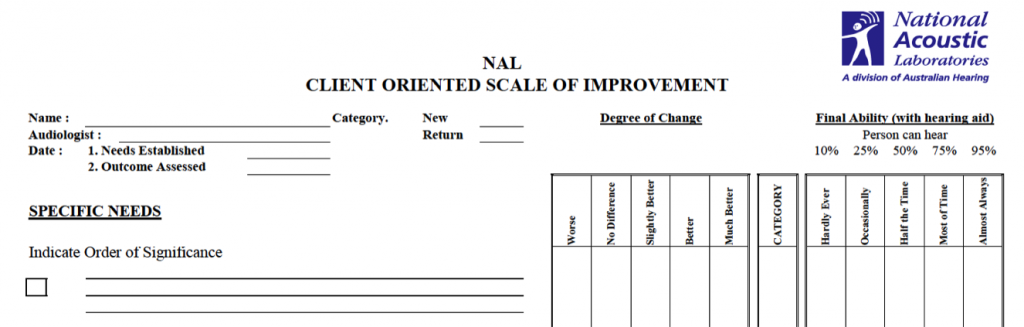
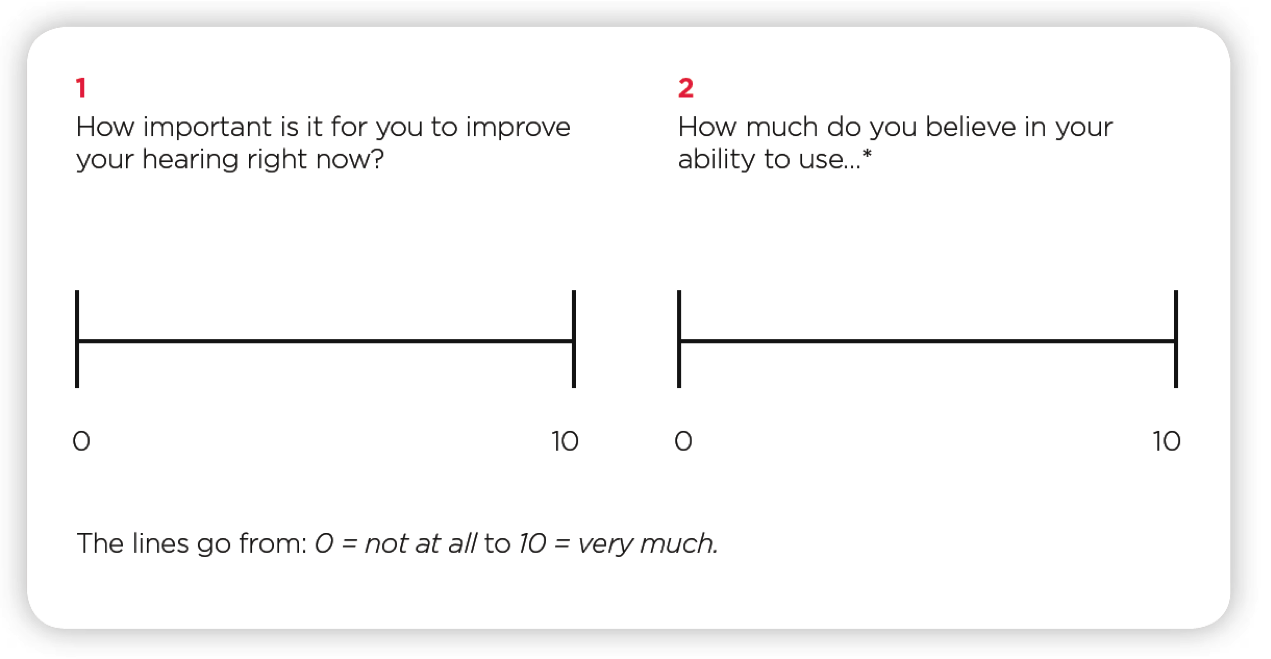
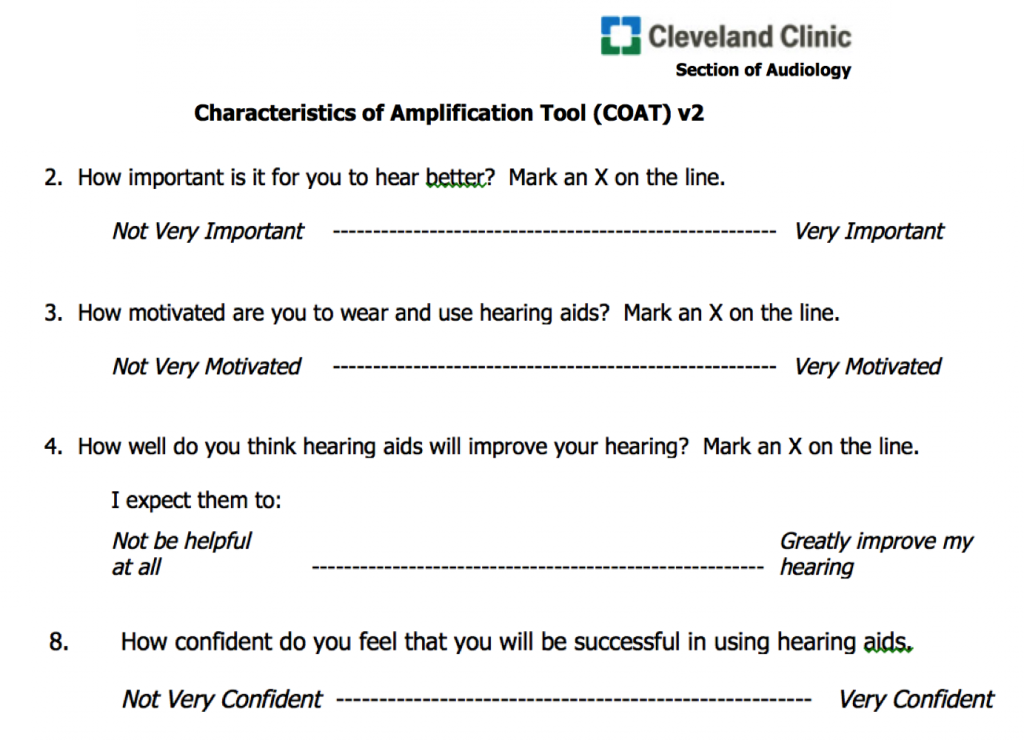
Until we ask, we do not know how hearing loss affects what matters most in our patients’ lives, and what they want to do about it. To understand these concerns, audiologists can use some simple tools to elicit and document patient input. Following are screen shots of 3 readily-available tools:
- The Client Oriented Scale of Improvement. The COSI is a classic patient-centered tool that helps the patient articulate desired changes. As mentioned above, when patients effectively write their own treatment plan, they are more likely to adhere to it.
2. Ida Institute Scales. The two scales below ask the patient to rate importance and also self-efficacy (“how much do you believe in your ability…”). When the ratings are low, we are once again reminded we cannot assume anything. A follow-up on our part should include the queries: what would it take to move your answer higher on the scale? What is on your mind that holds you back? To access these tools, first create an account here:
3. The Characteristics of Amplification Tool (COAT). Developed by Sandridge and Newman in 2006, this is one of the first tools to ask about motivation and also expectations (“how well do you think HA will improve your hearing?”). Their original article explains how to use the tool; a recently modified version is available to download here.
Also: Simple “Readiness Scales”
Palmer et al. (2009) found an important correlation between hearing aid decisions and a patient’s answer to the question,”On a scale from 1 to 10, 1 being the worst and 10 being the best, how would you rate your overall hearing ability?’’ Most patients are familiar with the 1-10 scale concept; a simple way to determine readiness is pose the question, On a scale of 1-10, how ready are you to:

“The readiness is all” (Hamlet V, ii)
- hear better?
- try amplification?
- try an assistive device?
- advocate for yourself at work?
Shakespeare had it right: we don’t make any changes or decisions until we are ready — a psychological state that is hard to explain but easy to quantify. Asking patients to think about and rate their state of readiness helps them organize their priorities, acknowledge their doubts, and hopefully clear away misgivings.
Finding Common Ground = Intentionally Sharing Power
 Please note: finding common ground means “mutually influencing each other, each potentially ending up in a place different from where they began, with different understandings than either would have reached alone. It is not a matter of who has power and who does not.” (Stewart et al., 2014, p. 138). (More on “sharing power” here.)
Closing Thought
Finding common ground is often mistakenly assumed to be a final step, occurring after all the information about the patient’s problem is obtained and sorted out by the clinician. But patient-centered care includes one more component, to be explained in Part 5/5 of this series.

The Ultimate Question: Is “Finding Common Ground” an Evidence-Based Practice?
See Stewart et al. (2000) to learn more.
NEXT: Patient-Centered Care, Part 5/5: Patient Relationships
 1. I can explain the difference between “informative” and “interpretive” models in patient care.
Yes Still working on it
2. I am willing to disrupt the “canonical organization” of an audiology appointment in order to learn what a patient “wants to do” re: hearing help before I begin testing.
Yes Not sure
3. I already use at least one of the “common ground tools” described above.
Yes No
4. I actively strive to “share power” with patients and families.
Almost always Sometimes I haven’t given this much thought
5. I can explain why “finding common ground” is an evidence-based practice.
Yes Still working on it

References
Gawande, A. (2014). Being Mortal: Medicine and what matters most in the end. NY: Henry Holt.
Sandridge S, & Newman C. (2014). Characteristics Of Amplification Tool, v2.
Stewart, M., Brown, J.B., Weston, W.W., McWhinney, I.R., McWilliams, C.L., & Freeman, T.R. (2014). Patient centered medicine: Transforming the clinical method (3rd ed.). London: Radcliff Publishing.
 “Listen and Learn” — But Don’t Stop!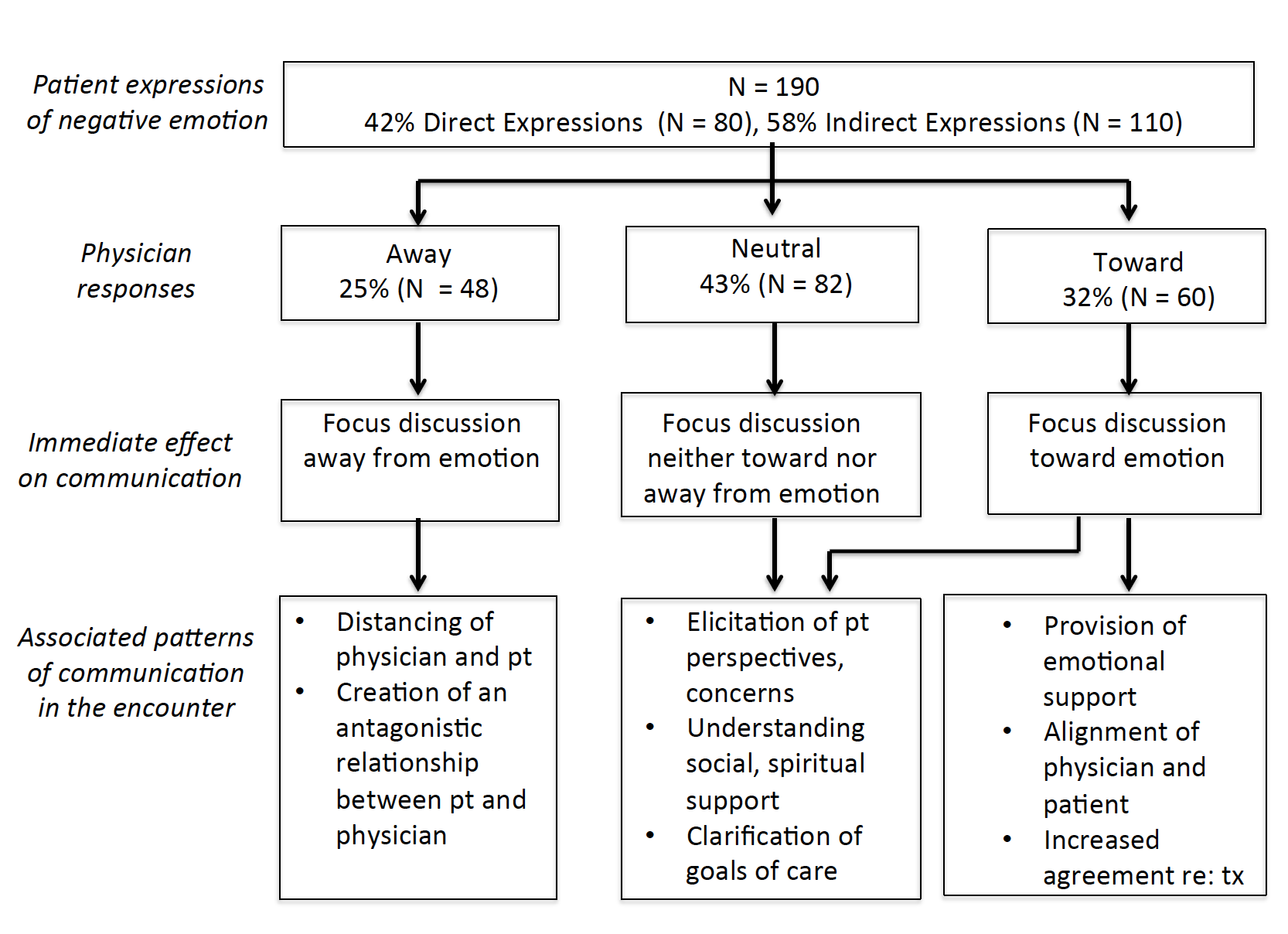

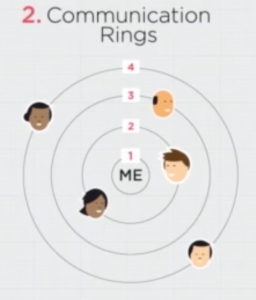


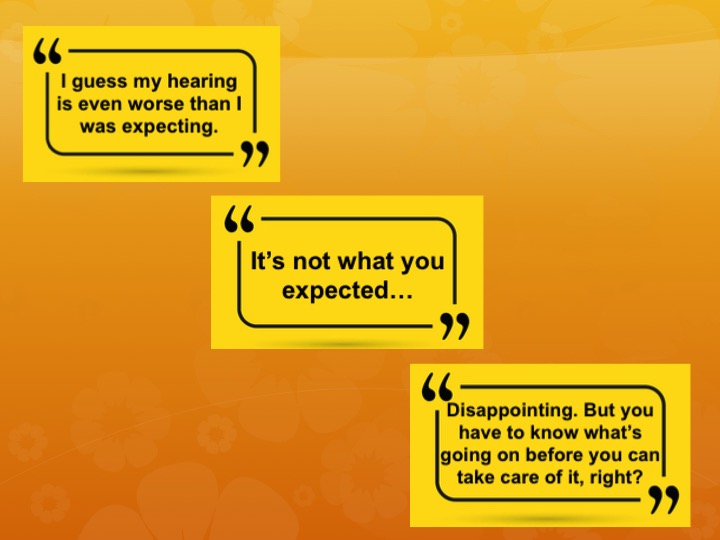
 A very familiar start! And also a patient-centered start. However, after a patient’s first few sentences, we reach a conversational crossroads and make a decision: either transition to the “history” piece, or explore a little further to find out what really matters to the patient.
 Explorer Tip #1: Discussing Self-Assessment Reports


 This entry is the first in a 5-part series designed to compile what we know about PCC in audiology, as well as identify what we don’t know. The next four entries willl explore the concept of patient-centeredness in audiology practices, using Stewart et al.’s (2014) “interactive components” as a framework:
 Laya Poost-Foroosh, PhD., MClSc.


 …the patient (or parent) breaks eye contact. She looks at the floor, or her hands, or the door (no mystery what that likely means), or at nothing in particular. Do we notice? If we notice, do we pause? Or do we keep talking and ignore the nonverbal cue?
 Jeanine Doherty, Au.D., M.Phil., M.B.S, B.Soc.Sci.(Hons.)
 John Greer Clark, PhD
 professions in many ways. I am sure that we are not unique in the dilemma that classroom teaching does not always reflect what students practice in their clinical settings. In the 1960s and 1970s we ardently argued that the full management of hearing loss, including the dispensing of products to assist those with hearing deficits, could indeed be done ethically. And we argued that we were the best prepared to provide this service and that we could do it better. I do believe we are better prepared and can fully service those with hearing loss more effectively than other hearing health care professions. However, it is dismaying that we largely adopted the dispensing practices already in place and have not substantially deviated from these over the years to incorporate better use of personal adjustment counseling and to address more fully the rehabilitative needs of patients.
 Every Patient’s Story Matters
 Georgina Aidoo
 usually does not command much attention in third world countries, even though various studies and estimates indicate that two-thirds of the world’s populations of hearing impaired people live in the developing countries. In many African countries, the general awareness of Audiology and hearing loss management is low, and lack of resources, ignorance, illiteracy, cultural diversity and national priorities among many other factors relating to technology enhancement and sense of focus has caused a lack of strong advocacy in this area. The Africa continent has a predominantly young population and many are at risk of getting diseases causing hearing loss (McPherson & Holboro, 1985). Overall, it is estimated that in the countries below Sahara, more than 1.2 million children aged between 5 and 14 years suffer from moderate to severe hearing loss in both ears. General prevalence studies show higher rates of severe to profound hearing loss in this part of Africa than in other developing countries.
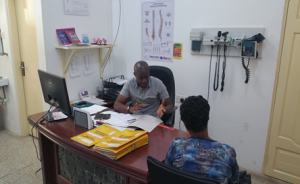 The case of Ghana is no different. In spite of the fact that hearing and balancing disorders are common among persons in communities in Ghana, very few studies have been carried out. The pace of development is very slow despite how critical the need is.
 Karen Muñoz, EdD

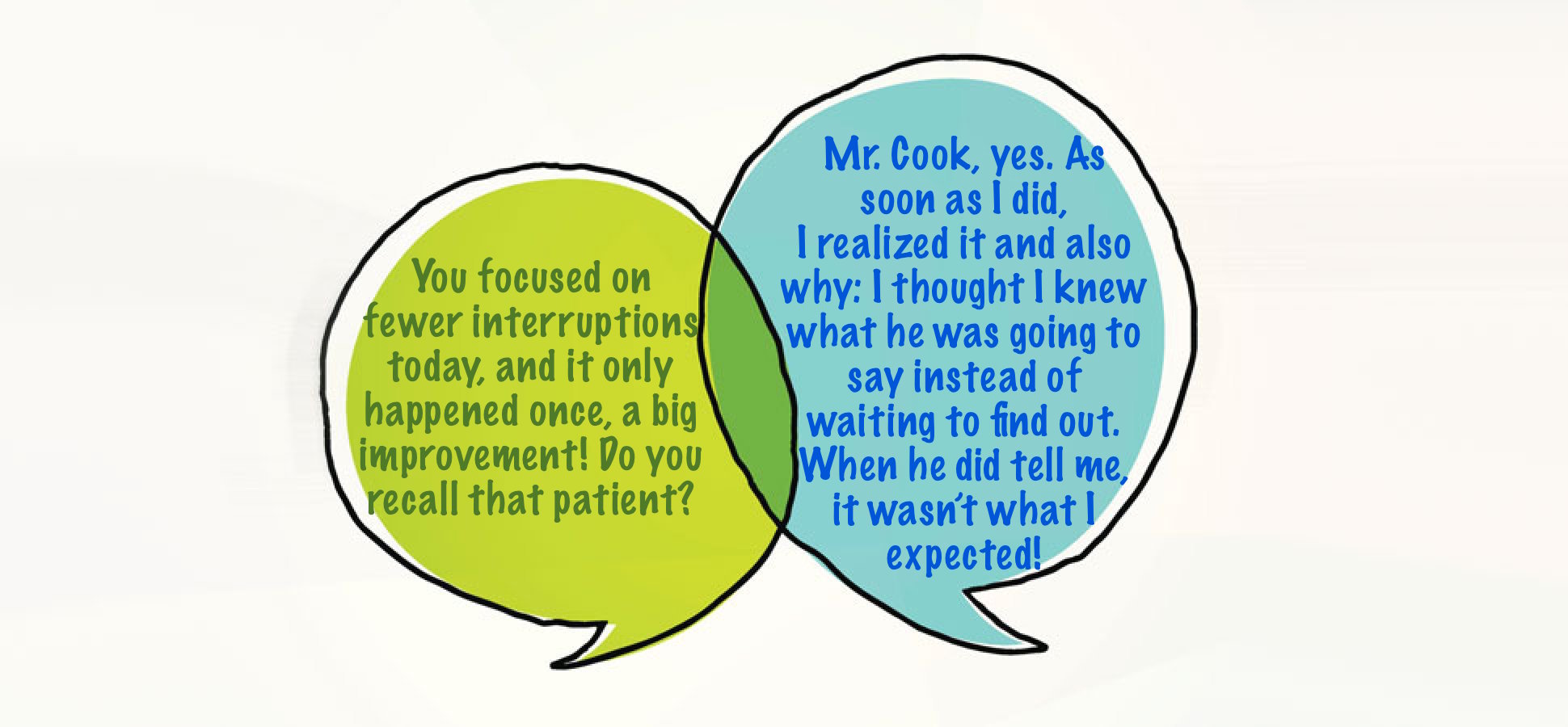 just like other skills in audiology such as completing a diagnostic test or troubleshooting hearing aids. Teaching counseling in our graduate training programs needs to be approached from an evidence-based perspective. Audiology would benefit from clear evidence-based counseling guidelines that provide a consistent message about the purpose, indicate needed knowledge and skills, and training considerations for classroom and clinical experiences. Teaching counseling in audiology is in need of attention and further research to improve educational practices, implementation of skills, and most importantly, to positively influence client and family outcomes.