
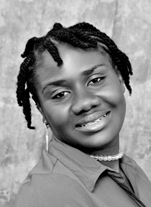
 Georgina Aidoo
Occupational Audiologist
Ghana, West Africa
I have always strived to search for the unique dynamics and realities in Audiology and ultimately discover what makes our patients incomplete without our services and our personal care. I have to face many encumbrances right from the onset of this journey, as being in Africa, and even in West Africa, my developing and third world country has made the trends very challenging, with diverse milestones which all bring learning experiences that are priceless. Pursuing a Doctor of Audiology degree will give me a wide range of opportunities and experiences to develop knowledge, skills and attitudes which will enable me to grow the field and advocate for change.
Challenges
Audiology practice and management of hearing loss and balancing disorders 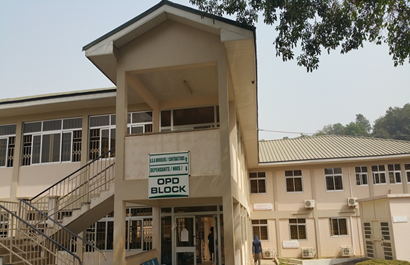 usually does not command much attention in third world countries, even though various studies and estimates indicate that two-thirds of the world’s populations of hearing impaired people live in the developing countries. In many African countries, the general awareness of Audiology and hearing loss management is low, and lack of resources, ignorance, illiteracy, cultural diversity and national priorities among many other factors relating to technology enhancement and sense of focus has caused a lack of strong advocacy in this area. The Africa continent has a predominantly young population and many are at risk of getting diseases causing hearing loss (McPherson & Holboro, 1985). Overall, it is estimated that in the countries below Sahara, more than 1.2 million children aged between 5 and 14 years suffer from moderate to severe hearing loss in both ears. General prevalence studies show higher rates of severe to profound hearing loss in this part of Africa than in other developing countries.
Hearing problems are a severe handicap, particularly in developing countries where the ability to take part in normal conversations is vital for economic and social survival. However, many are illiterate as well as hearing impaired, and thus unable to communicate by writing and reading. It is difficult to get an exact overview of the prevalence and causes of hearing loss in Africa. Several studies have been conducted but they use different methods and not all are up to date. However, they do serve as indicators and together they provide a general picture of the situation.
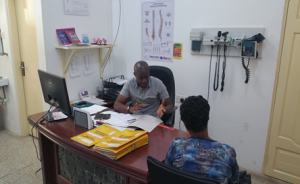 The case of Ghana is no different. In spite of the fact that hearing and balancing disorders are common among persons in communities in Ghana, very few studies have been carried out. The pace of development is very slow despite how critical the need is.
It took an extraordinary effort for me to enroll in an Au.D program after saving for almost a decade all in relation with finding the true purpose my commitment to the field, and I continue to explore and advocate in quest of gaining deep knowledge to help spread Audiology, especially in Ghana and West Africa where silence has swallowed sufferers’ desire to seek help. Continue reading
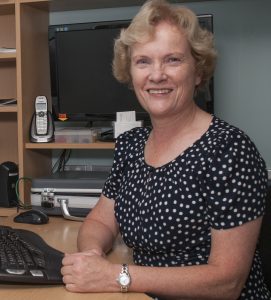 Jeanine Doherty, Au.D., M.Phil., M.B.S, B.Soc.Sci.(Hons.) of
  The Impact of Labels

 Carolyn Edwards, M.Cl.Sc., M.B.A.
 Kris English, PhD
 Soon I learned she has a busy social life and takes part in many activities, but having the hearing loss had started to affect all this. This patient has been coming to our clinic for over a year and had never had the chance to really speak about how the hearing loss was affecting her.


 Jane Seaton
 Audiologists as Reflective Practitioners
 Simon Howe, Clinical Scientist (Audiology), BSc (Hons), MSc
 Eileen Rall, AuD
 Kerri Hudson, AuD